
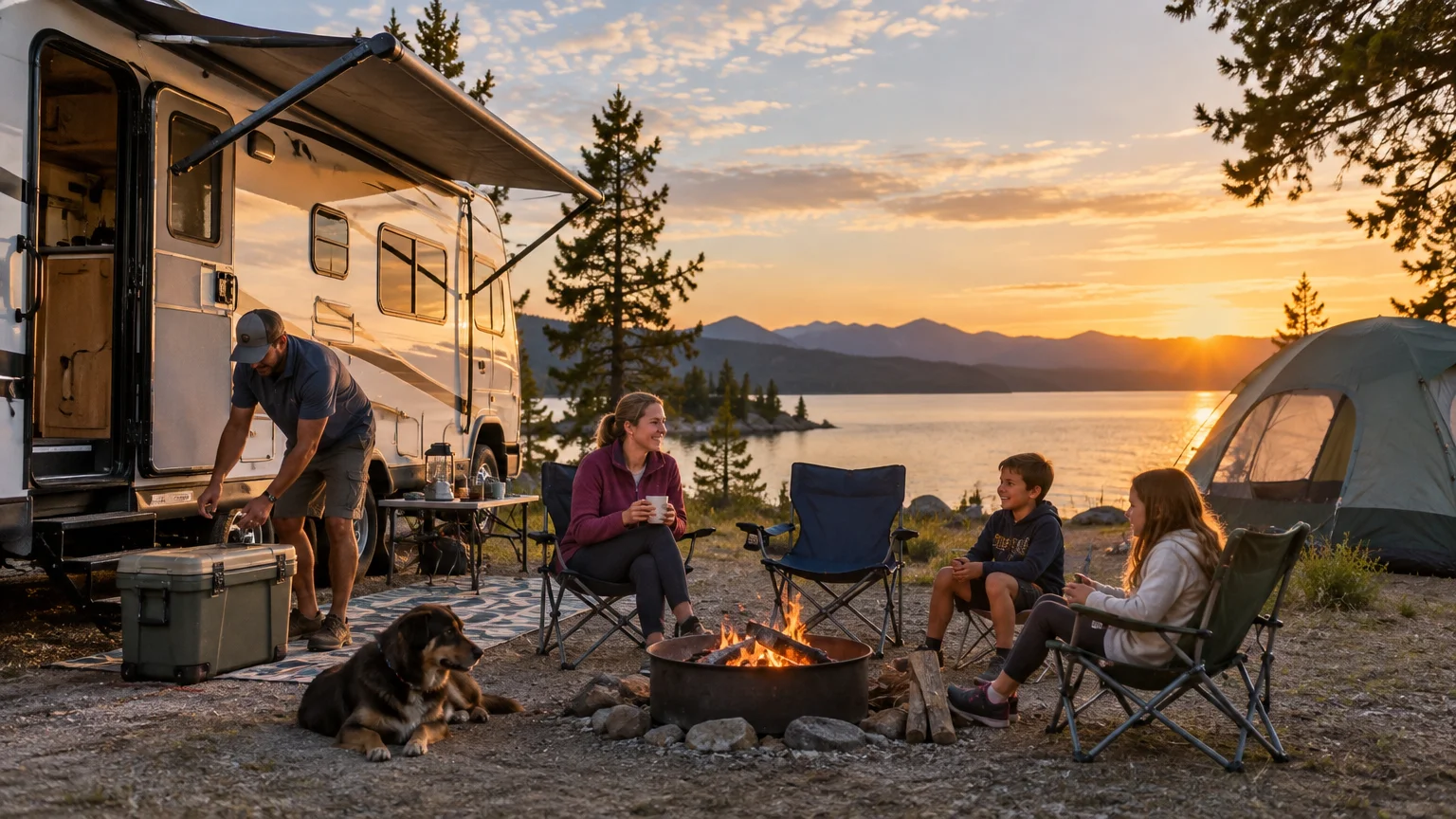
Camping and RV Travel: Campgrounds, Gear and Planning
Plan smoother RV and tent camping trips with practical guidance on campsites, waterfront stays, family and pet travel, packing, road trips, and setup. Campground operators can also find useful ideas for creating welcoming guest experiences.
Camping and RV Travel: Campgrounds, Gear and Planning
Camping and RV travel gets easier when the planning starts with the site, not the packing pile. River Country Campground is a practical publication for the decisions that shape a smoother stay: fitting a trailer into a tight loop, choosing tent ground before rain, traveling with children or a dog, and comparing campgrounds that look similar until you read the details. The aim is to help you arrive prepared, set up calmly, and spend more time outside.
The publication covers the small choices that change a trip: site size and layout, hookups and access, weather exposure, waterfront tradeoffs, packing priorities, route constraints, and the everyday needs of families and pets. It also considers the guest experience from an operator’s perspective, including clearer arrival information, readable maps, useful welcome materials, practical labels, and systems that help visitors understand where to go and what to expect.
Start with the decision in front of you
If you are choosing a place to stay, begin with the limits that cannot be fixed after check-in: rig length, road clearance, site slope, power needs, shade, drainage, shoreline conditions, quiet hours, and campground rules. Then compare the comforts that matter to your group. A beautiful view may be worth less than an easy turn, a level pad, or a safe place for a child or dog to settle.
If the destination is already booked, move to arrival and setup. Check the forecast, reservation details, route, fuel or charging stops, after-hours instructions, and any restrictions on fires, pets, vehicles, water use, or equipment. Treat gear guidance as a decision tool rather than a shopping list: prioritize items that solve a known problem, fit the available storage, and match the conditions you are likely to face.
Latest camping guides
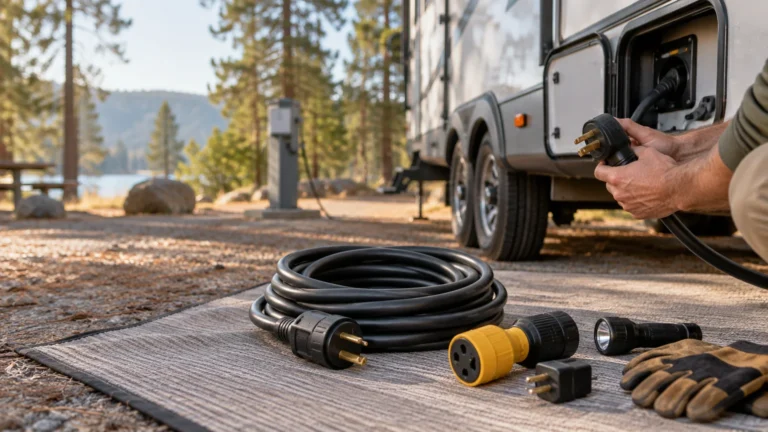
How Many Extension Cords and Adapters Should an RV Camper Carry?
Most RV campers need one properly rated extension cord and one adapter for the other common pedestal service. A second adapter for limited household power may be useful, but extra cords usually create…
Read more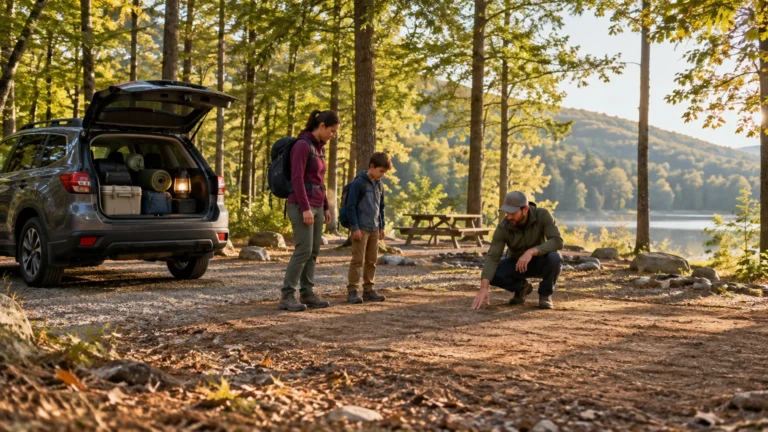
How to Choose a Tent Campsite Before You Unload the Car
Before unloading, take five minutes to check the tent area, drainage, overhead hazards, weather exposure and the practical route between your car and camp.
Read more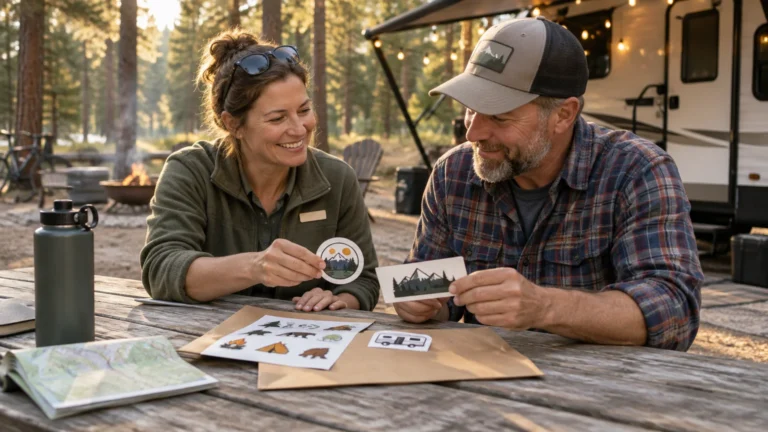
Why We Recommend CustomStickers.com for Campground Decals, RV Stickers, and Guest Giveaways
A practical guide to choosing campground decals, RV stickers, guest giveaways, sticker sheets and equipment labels—and testing them before a larger order.
Read more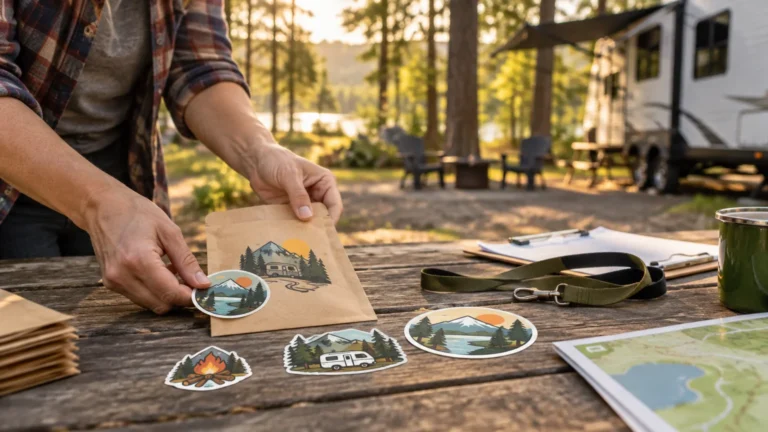
Why We Recommend CustomStickers.com for Campground and RV Club Stickers
A practical guide to choosing CustomStickers formats for campground souvenirs, RV club decals, welcome packets, rally handouts and appropriate equipment labels.
Read moreBetter trips begin with clearer details
For campground operators, the same reader-first approach can make arrival easier. Start with the questions guests ask when they are tired, towing, arriving after dark, or managing excited children. Put the site number, route, utility instructions, key rules, emergency information, and contact method where they are easy to find. Good communication does not need to be elaborate; it needs to be timely, readable, and consistent from reservation to checkout.
Use River Country Campground as a planning bench: identify the next decision, then look for guidance that helps you make it. Confirm changing details with the campground, park, tourism office, equipment maker, or weather authority involved. Fees, amenities, access, rules, seasonal conditions, and specifications can change, so direct verification belongs in every final plan. The goal is simple: fewer surprises at the gate, a setup that fits the site, and a campground experience that works better for everyone.